


Christian Epping — Senior UX/UI Designer
Complex B2B products that make sense to users and move the business forward.
Focused on configurators, workflow systems, and data-dense interfaces — for international companies and regulated industries.
How I approach complex products
Making complexity manageable
Dense data, many roles, systems grown over years — I turn that into clear, usable products. Complexity doesn't get simpler, but it becomes something people can actually work with.
Thinking in systems
I build design systems from scratch and work within existing ones, with clear rules and components. That's what keeps products consistent across teams and releases.
Designing toward outcomes
Every decision is measured against concrete user and business goals, not taste. That's what makes design accountable — and its contribution visible.
Selected Work
Three cases that show how I work best
Focus Areas
Four disciplines,
one focus
Product Discovery & Strategy
Before an interface takes shape, I clarify what problem a product actually needs to solve — for users and for the business. User research, stakeholder alignment, and prioritizing needs produce a clear direction that every later decision gets measured against.
Complex Workflows & Configurators
Data-dense, multi-step processes — configurators for products that need explaining, or workflow systems with many roles and rules — I structure so people reach their goal reliably. The point is to order complexity, not pass it straight through to the surface.
Design Systems & Scale
I build design systems from the ground up and work within existing ones — reusable components, clear rules, a shared language. That's what keeps products consistent and maintainable across teams, markets, and releases, instead of splintering into one-off solutions.
Delivery with Engineering
A concept only earns its keep once it ships cleanly. I work closely with engineering teams — from handoff through iterative alignment to testing — so the design becomes a product people can rely on.
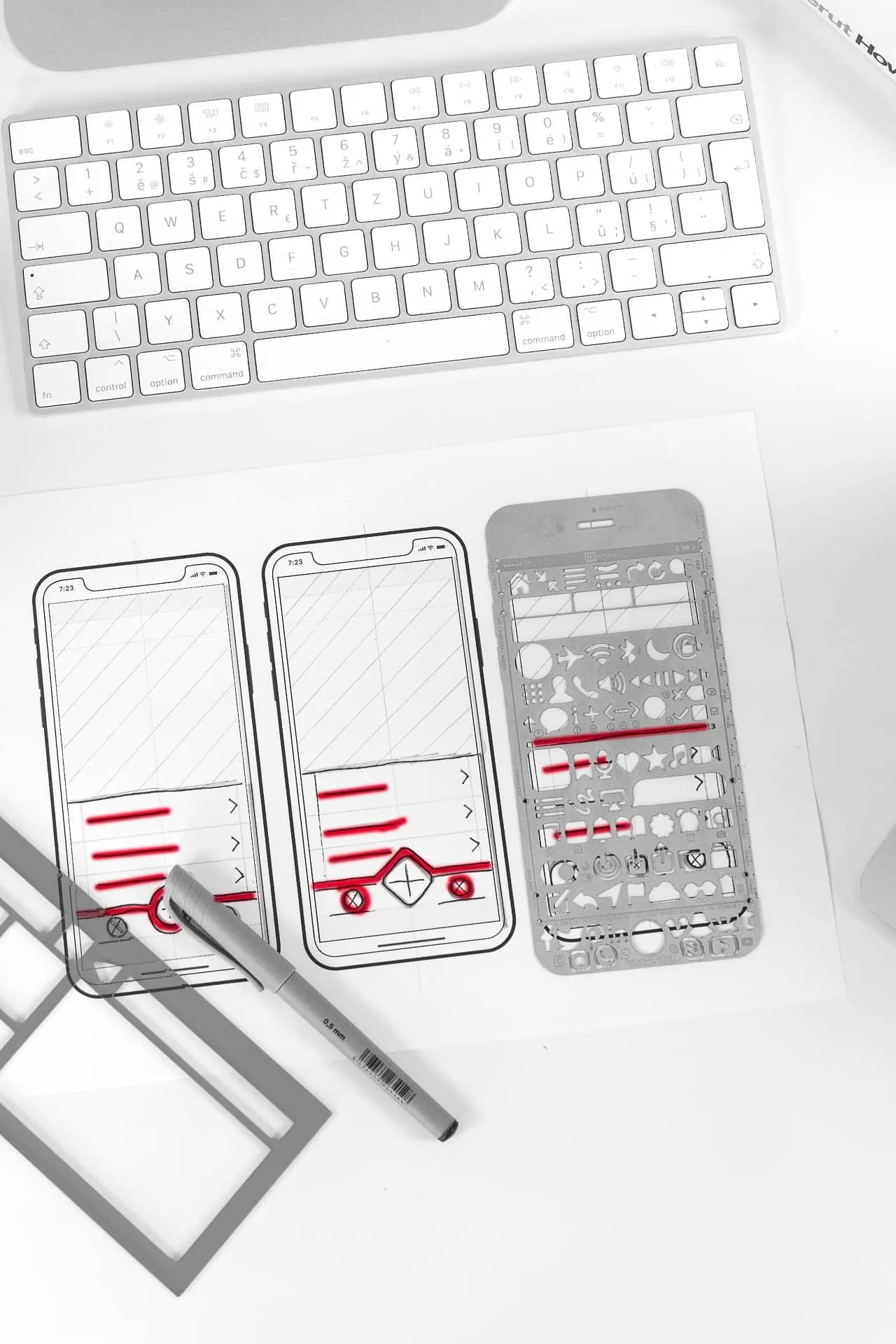
Approach
Problem
first.
I start by asking what problem a product actually needs to solve — for users and for the business. That clarity is what shapes structure, interface, and priorities. I stay in close step with product and engineering, and sharpen the solution iteratively until it holds up in numbers.